


 www.gardensillustrated.com
 Introduction: Building Your Own Raised Garden Bed
Looking to grow your own vegetables, herbs, or flowers but short on space or dealing with poor soil quality? A raised garden bed is the perfect solution! This step-by-step guide will walk you through building your own durable and attractive raised garden bed using readily available materials. This guide focuses on a wooden frame, but the principles can be adapted for other materials.
Looking to grow your own vegetables, herbs, or flowers but short on space or dealing with poor soil quality? A raised garden bed is the perfect solution! This step-by-step guide will walk you through building your own durable and attractive raised garden bed using readily available materials. This guide focuses on a wooden frame, but the principles can be adapted for other materials.
Materials You'll Need:
Before you begin, gather the necessary supplies. Accuracy in measurements and selecting appropriate materials will ensure a successful project.
Before you begin, gather the necessary supplies. Accuracy in measurements and selecting appropriate materials will ensure a successful project.
- Untreated Lumber (e.g., cedar, redwood, or pressure-treated consider the safety aspects of pressure-treated lumber for edibles) Choose the length, width, and height based on your desired bed size. A common size is 4ft x 8ft x 1ft high.
- Screws (deck screws recommended for outdoor use) Choose a length appropriate for the thickness of your lumber.
- Landscape Fabric (to line the bed)
- Staple Gun and Staples (for attaching landscape fabric)
- Measuring Tape
- Saw (circular saw or hand saw)
- Drill
- Level
- Gloves
Step 1: Cutting the Lumber
Cut the lumber to the desired lengths for the sides and ends of your raised garden bed. For a 4ft x 8ft bed, you'll need two 8ft pieces and two 4ft pieces. Ensure all cuts are square for a professional-looking finished product. Always prioritize safety when operating power tools.
Cut the lumber to the desired lengths for the sides and ends of your raised garden bed. For a 4ft x 8ft bed, you'll need two 8ft pieces and two 4ft pieces. Ensure all cuts are square for a professional-looking finished product. Always prioritize safety when operating power tools.
Step 2: Assembling the Frame
Lay out the lumber pieces on a flat surface, forming the rectangular shape of your garden bed. Use the drill and screws to attach the corners together. Pre-drilling pilot holes will prevent the wood from splitting. Ensure the corners are square by using a carpenter's square or by measuring the diagonals to ensure they are equal.
Lay out the lumber pieces on a flat surface, forming the rectangular shape of your garden bed. Use the drill and screws to attach the corners together. Pre-drilling pilot holes will prevent the wood from splitting. Ensure the corners are square by using a carpenter's square or by measuring the diagonals to ensure they are equal.
Step 3: Reinforcing the Corners (Optional but Recommended)
For added stability, especially if you plan to fill the bed with a significant amount of soil, consider adding corner bracing. You can cut additional pieces of lumber into triangles and attach them to the inside corners of the frame using screws. This will prevent the frame from bowing outwards under the weight of the soil.
For added stability, especially if you plan to fill the bed with a significant amount of soil, consider adding corner bracing. You can cut additional pieces of lumber into triangles and attach them to the inside corners of the frame using screws. This will prevent the frame from bowing outwards under the weight of the soil.
Step 4: Lining the Bed with Landscape Fabric
Line the inside of the wooden frame with landscape fabric. This will help prevent weeds from growing up into the bed and will also help retain moisture in the soil. Overlap the fabric at the seams and secure it to the wood using a staple gun. Trim any excess fabric around the top edge of the bed.
Line the inside of the wooden frame with landscape fabric. This will help prevent weeds from growing up into the bed and will also help retain moisture in the soil. Overlap the fabric at the seams and secure it to the wood using a staple gun. Trim any excess fabric around the top edge of the bed.
Step 5: Positioning and Leveling the Bed
Choose a sunny location for your raised garden bed. Place the assembled frame in the desired location and use a level to ensure it sits evenly on the ground. If necessary, add or remove soil underneath the frame to achieve a level surface. This is crucial for proper drainage and even water distribution.
Choose a sunny location for your raised garden bed. Place the assembled frame in the desired location and use a level to ensure it sits evenly on the ground. If necessary, add or remove soil underneath the frame to achieve a level surface. This is crucial for proper drainage and even water distribution.
Step 6: Filling the Bed with Soil
Fill the raised garden bed with a high-quality soil mix designed for raised beds. A mixture of topsoil, compost, and peat moss is a good option. Avoid using soil directly from your yard, as it may contain weeds, pests, or diseases. Fill the bed to within a few inches of the top.
Fill the raised garden bed with a high-quality soil mix designed for raised beds. A mixture of topsoil, compost, and peat moss is a good option. Avoid using soil directly from your yard, as it may contain weeds, pests, or diseases. Fill the bed to within a few inches of the top.
Conclusion: Your Raised Garden Bed is Ready!
Congratulations! You've successfully built your own raised garden bed. Now you can start planting your favorite vegetables, herbs, or flowers and enjoy the fruits (and vegetables!) of your labor. Remember to water regularly and provide adequate sunlight for optimal growth. With proper care, your raised garden bed will provide you with fresh produce and beautiful blooms for years to come.
Congratulations! You've successfully built your own raised garden bed. Now you can start planting your favorite vegetables, herbs, or flowers and enjoy the fruits (and vegetables!) of your labor. Remember to water regularly and provide adequate sunlight for optimal growth. With proper care, your raised garden bed will provide you with fresh produce and beautiful blooms for years to come.
Plastic Garden
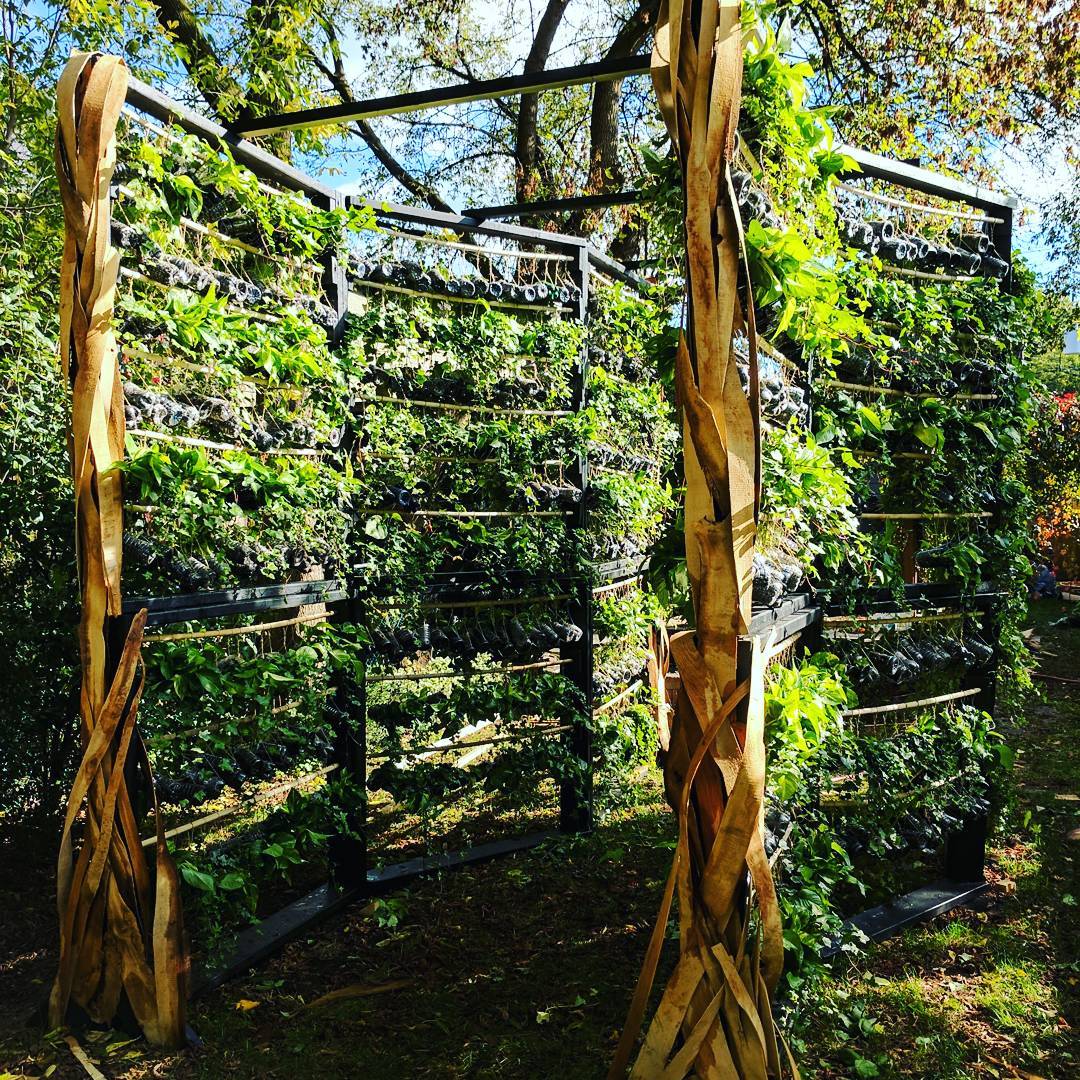 labspacestudio.ca
 Plastic-free Gardening Made Easy: 12 Smart Swaps To Try
www.gardensillustrated.com Plastic Bottles Garden :)
 www.pinterest.com


0 komentar:
Posting Komentar