174+ Shed With Sliding Window

Rabu, 30 Juli 2025

Buy patiomore 6x8 ft outdoor storage shed double sloping roof garden shed, metal shed kit with www.desertcart.us

Opening: Build Your Own DIY Shed with a Sliding Window! Are you dreaming of extra storage space, a backyard workshop, or a charming garden retreat? Building your own shed is a rewarding DIY project that can save you money and give you a customized structure to suit your needs. This guide will walk you through the process of building a simple shed with a sliding window, step by step. Let's get started!
Step 1: Planning and Preparation Before you start swinging a hammer, careful planning is essential. This will ensure a smooth and successful build.
  • Determine Your Shed Size: Consider your storage needs and available space in your yard. Remember to check local building codes for any restrictions on shed size or placement.
  • Create a Detailed Plan: A well-defined plan is crucial. Include dimensions, materials list, and a cut list to minimize waste. Online resources and shed design software can be helpful.
  • Obtain Necessary Permits: Research local building codes and regulations to determine if you need a permit. Applying for and obtaining permits before you start construction will avoid potential fines or delays.
  • Gather Tools and Materials: Assemble all the necessary tools and materials before starting the build. This includes lumber, fasteners, roofing materials, siding, a sliding window, and safety equipment.
  • Step 2: Building the Foundation A solid foundation is critical for the longevity and stability of your shed. There are several foundation options, but a gravel pad is a common and relatively simple choice for smaller sheds.
  • Clear the Area: Remove any vegetation, topsoil, and debris from the site where the shed will be located.
  • Create a Level Gravel Pad: Dig down several inches and fill the area with compacted gravel. Ensure the gravel pad is level using a level and tamper. The gravel pad should be slightly larger than the dimensions of your shed.
  • Optional: Build a Wooden Frame: For added stability, you can build a wooden frame around the perimeter of the gravel pad. This frame should be constructed from pressure-treated lumber.
  • Step 3: Constructing the Floor Frame The floor frame provides a solid base for the shed structure.
  • Cut Lumber to Size: Using your cut list, cut the lumber for the floor frame to the required lengths. Use pressure-treated lumber to prevent rot and insect damage.
  • Assemble the Frame: Assemble the floor frame using screws or nails. Ensure the frame is square by measuring the diagonals. They should be equal in length.
  • Install Floor Joists: Add floor joists to the frame for added support. Space the joists evenly apart, typically 16 inches on center.
  • Attach Flooring: Attach plywood or OSB sheathing to the floor frame using screws or nails. Ensure the sheathing is flush with the edges of the frame.
  • Step 4: Framing the Walls The walls provide the structural support for the shed and define its shape.
  • Cut Wall Studs: Cut the wall studs to the required height. Typically, 8-foot studs are used for a shed with a standard ceiling height.
  • Assemble Wall Frames: Assemble the wall frames on the ground using screws or nails. Include studs at regular intervals (typically 16 inches on center), as well as top and bottom plates.
  • Frame the Window Opening: Frame the opening for the sliding window according to the window manufacturer's specifications. Use headers and jack studs to provide support above the window opening.
  • Raise and Secure Walls: Raise the wall frames into position and secure them to the floor frame using screws or nails. Ensure the walls are plumb and square before permanently attaching them.
  • Connect Walls: Connect the adjacent walls to each other using screws or nails.
  • Step 5: Installing the Sliding Window The sliding window provides light and ventilation to the shed.
  • Prepare the Window Opening: Ensure the window opening is properly framed and sized to accommodate the sliding window.
  • Install the Window: Carefully insert the sliding window into the opening and secure it according to the manufacturer's instructions. Use shims to ensure the window is level and plumb.
  • Seal the Window: Apply caulk around the perimeter of the window to seal it against the elements.
  • Step 6: Building the Roof The roof protects the shed from the elements.
  • Cut Rafters: Cut the rafters to the required length and angle. Use a rafter square to accurately mark the cuts.
  • Assemble Roof Trusses (Optional): For a more complex roof design, you can assemble roof trusses on the ground and then raise them into position.
  • Attach Rafters: Attach the rafters to the top plates of the walls using screws or nails. Ensure the rafters are evenly spaced and securely fastened.
  • Install Roof Sheathing: Attach plywood or OSB sheathing to the rafters using screws or nails.
  • Apply Roofing Material: Install the roofing material of your choice, such as asphalt shingles, metal roofing, or cedar shakes. Follow the manufacturer's instructions for installation.
  • Step 7: Adding Siding Siding protects the shed from the elements and gives it a finished appearance.
  • Choose Siding Material: Select a siding material that is durable, weather-resistant, and aesthetically pleasing. Common siding options include wood siding, vinyl siding, and metal siding.
  • Install Siding: Install the siding according to the manufacturer's instructions. Overlap the siding panels to prevent water from penetrating.
  • Step 8: Adding Finishing Touches These finishing touches add functionality and improve the shed's appearance.
  • Install a Door: Install a door to provide access to the shed. You can build your own door or purchase a pre-hung door.
  • Add Trim: Add trim around the windows, doors, and corners of the shed to give it a finished look.
  • Paint or Stain: Paint or stain the shed to protect the wood and enhance its appearance.
  • Install Shelving or Storage: Install shelving or other storage solutions to maximize the use of space inside the shed.
  • Conclusion: Enjoy Your New DIY Shed! Congratulations! You've successfully built your own shed with a sliding window. This new structure will provide valuable storage space, a dedicated workspace, or a charming addition to your backyard. Remember to regularly maintain your shed to ensure its longevity and continue to enjoy the fruits of your labor for years to come.

    Outdoor Garden Hutch, 2x4 Patio Storage Shed

    Outdoor garden hutch, 2x4 patio storage shed cedarshed.com

    Buy Patiomore 6x8 Ft Outdoor Storage Shed Double Sloping Roof Garden Shed, Metal Shed Kit With

    Buy patiomore 6x8 ft outdoor storage shed double sloping roof garden shed, metal shed kit with www.desertcart.us

    Home

    Home www.urbanshedconcepts.com
    Read More..

    85+ Tuff Shed Dealer Near Me

    Selasa, 29 Juli 2025

    Mineralatlas lexikon www.mineralienatlas.de

    Opening: Unleash Your Inner Builder: Creating a DIY Birdhouse Want to add a touch of nature and charm to your garden or backyard? Building your own birdhouse is a rewarding and relatively simple DIY project that provides shelter for feathered friends. This guide will walk you through the process, step-by-step, to create a beautiful and functional birdhouse.
    Step 1: Planning and Gathering Materials Before you start hammering away, careful planning is key. Consider the type of bird you want to attract, as different birds prefer different size entrances and house dimensions. Robins and bluebirds, for example, need larger houses than wrens.
  • Decide on a design: Search online for birdhouse plans or create your own. Simple box-shaped houses are easiest for beginners.
  • Gather your materials: You'll need:
    • Untreated wood (pine, cedar, or redwood are good choices – avoid pressure-treated wood).
    • Wood glue
    • Nails or screws
    • Saw (hand saw or power saw)
    • Drill with drill bits (various sizes)
    • Measuring tape or ruler
    • Pencil
    • Sandpaper
    • Optional: Paint or stain (use non-toxic options safe for birds)
  • Cut your wood pieces: Using your chosen plan, carefully measure and cut the wood pieces to the correct sizes. It's always a good idea to double-check your measurements before cutting!
  • Step 2: Assembling the Birdhouse Now comes the fun part: putting your birdhouse together!
  • Assemble the sides, front, and back: Apply wood glue to the edges of the side pieces and attach them to the front and back pieces, forming a box. Secure with nails or screws.
  • Attach the bottom: Glue and nail or screw the bottom piece to the assembled box. Make sure it's flush with the sides.
  • Attach the roof: Glue and nail or screw the roof pieces to the top of the box. Consider an overhanging roof to protect the entrance from rain.
  • Drill the entrance hole: Drill an appropriately sized entrance hole based on the type of bird you want to attract. Position the hole high enough to provide some protection from predators. A general rule of thumb: smaller holes are best.
  • Add drainage holes: Drill small drainage holes in the bottom of the birdhouse to prevent water from accumulating.
  • Optional: Add ventilation holes: Drill small ventilation holes near the top of the sides to provide airflow and prevent overheating.
  • Step 3: Finishing Touches and Mounting Almost there! Time to add the final touches and prepare your birdhouse for its new residents.
  • Sand the edges: Sand any rough edges or splinters to make the birdhouse safe for birds.
  • Optional: Paint or stain: If desired, paint or stain the exterior of the birdhouse with non-toxic, bird-safe paints or stains. Avoid bright colors, which can deter birds. Earth tones are generally preferred. Avoid painting the inside of the birdhouse.
  • Mounting: There are several ways to mount your birdhouse:
    • Pole mounting: Attach the birdhouse to a pole using screws or brackets. This is a good option for attracting birds that prefer open areas.
    • Tree mounting: Attach the birdhouse to a tree branch using screws or wire. Be careful not to damage the tree.
    • Hanging: Attach a wire or rope to the roof of the birdhouse for hanging it from a branch or hook.
    Choose a location that is sheltered from strong winds and direct sunlight.
  • Conclusion: Enjoy Your New Birdhouse! Congratulations! You've successfully built your own birdhouse. Now, sit back, relax, and enjoy watching the birds move in and make it their home. Remember to clean the birdhouse out at the end of each nesting season to keep it safe and healthy for its occupants. Happy birding!

    Mineralatlas Lexikon

    Mineralatlas lexikon www.mineralienatlas.de

    What Is Tuff?

    What is tuff? www.worldatlas.com

    Tuff

    Tuff en.wikipedia.org
    Read More..

    119+ Building Shed Roof Off House

    Senin, 28 Juli 2025

    1000+ engaging buildings photos · pexels · free stock photos www.pexels.com

    Introduction: Expanding Your Living Space with a Shed Roof Addition Adding a shed roof to your house can significantly increase storage space, create a covered patio area, or even add a small workshop. This DIY project, while requiring some carpentry skills, is achievable with careful planning and execution. This guide provides a step-by-step process for building a shed roof off your house. Remember to always consult with your local building codes and obtain necessary permits before starting any construction project.
    Planning and Preparation: The Foundation for Success The success of your shed roof addition hinges on meticulous planning. This involves assessing your needs, determining the desired size and pitch of the roof, and gathering the necessary materials and tools.
  • Assess Your Needs: Determine the purpose of the shed roof. Will it be for storage, a covered patio, or a workspace? This will influence the size and design.
  • Determine the Roof Pitch: A lower pitch is generally easier to build. A common shed roof pitch ranges from 3/12 to 6/12 (rise over run). Calculate the required rafter length based on the span and pitch.
  • Design the Structure: Create a detailed plan, including dimensions, materials list, and structural details. Pay close attention to how the shed roof will attach to your existing house.
  • Obtain Permits: Contact your local building department to obtain the necessary permits. This ensures your project meets local building codes and safety standards.
  • Gather Materials: Purchase lumber (pressure-treated for ground contact), roofing materials (shingles, metal roofing, etc.), fasteners (nails, screws, bolts), flashing, and any other necessary hardware.
  • Gather Tools: Ensure you have the necessary tools, including a saw (circular saw or miter saw), drill, level, measuring tape, hammer, safety glasses, work gloves, and a ladder.
  • Step 1: Attaching the Ledger Board The ledger board is a critical component as it provides the main support for the shed roof and connects it to the existing house.
  • Locate the Attachment Point: Determine where the ledger board will attach to the house. This is typically along a wall, just below the roof line or near a window opening.
  • Prepare the House Wall: Remove any siding or obstructions to expose the sheathing. Ensure the sheathing is sound and structurally sound.
  • Attach the Ledger Board: Using lag screws or bolts, securely attach the ledger board to the house wall. The spacing of the fasteners should be determined based on the load requirements and local building codes. Use shims if necessary to ensure the ledger board is perfectly level.
  • Apply Flashing: Install flashing above the ledger board to prevent water from seeping behind it and causing damage to the house. This is crucial for preventing leaks.
  • Step 2: Constructing the Support Posts and Beam The support posts and beam provide vertical support for the shed roof and transfer the load to the ground.
  • Install the Support Posts: Dig holes for the support posts and set them in concrete. Ensure the posts are plumb and level. Pressure-treated lumber is essential for posts in contact with the ground.
  • Attach the Beam: Once the concrete has cured, attach the beam to the top of the support posts. The beam should be level and securely fastened to the posts.
  • Step 3: Installing the Rafters The rafters form the framework of the roof and provide support for the roofing materials.
  • Cut the Rafters: Cut the rafters to the correct length and angle based on the roof pitch and span. Use a rafter square or a rafter cutting calculator to determine the proper cuts.
  • Attach the Rafters: Attach the rafters to the ledger board and the beam. Use metal rafter ties or hurricane ties to provide additional strength and wind resistance. Space the rafters according to your design and local building codes.
  • Ensure Proper Overhang: Account for the desired roof overhang when cutting and installing the rafters. The overhang protects the walls from rain and sun.
  • Step 4: Sheathing and Roofing Sheathing provides a solid surface for the roofing materials, while the roofing protects the structure from the elements.
  • Install the Sheathing: Cover the rafters with sheathing (plywood or OSB). Secure the sheathing to the rafters with nails or screws. Stagger the seams for added strength.
  • Install Underlayment: Cover the sheathing with roofing underlayment (felt paper or synthetic underlayment). This provides an extra layer of protection against water infiltration.
  • Install Roofing Material: Install your chosen roofing material (shingles, metal roofing, etc.) according to the manufacturer's instructions. Overlap the materials correctly to ensure a waterproof seal.
  • Install Flashing (again): Install flashing around any penetrations in the roof (vents, chimneys, etc.) to prevent leaks.
  • Step 5: Finishing Touches Adding finishing touches enhances the appearance and functionality of the shed roof.
  • Install Gutters and Downspouts: Install gutters and downspouts to direct rainwater away from the foundation of your house.
  • Add Trim: Add trim around the edges of the roof to create a finished look.
  • Seal any Gaps: Use caulk or sealant to seal any gaps or cracks to prevent water or insects from entering.
  • Inspect and Maintain: Regularly inspect the shed roof for any signs of damage or wear and tear. Repair any issues promptly to prevent further damage.
  • Conclusion: Enjoy Your New Shed Roof Addition Building a shed roof off your house is a rewarding project that can add value and functionality to your home. By following these steps and taking the time to do the job right, you can create a sturdy and attractive addition that will last for years to come. Remember to prioritize safety, adhere to local building codes, and enjoy the process of creating something new.

    File:manhattan Municipal Building, New York City.jpg

    File:manhattan municipal building, new york city.jpg commons.wikimedia.org

    1000+ Engaging Buildings Photos · Pexels · Free Stock Photos

    1000+ engaging buildings photos · pexels · free stock photos www.pexels.com

    File:empire State Building By David Shankbone.jpg

    File:empire state building by david shankbone.jpg commons.wikimedia.org
    Read More..

    121+ Storage Shed Images

    Minggu, 27 Juli 2025

    Mini storage steel building kits mavericksteelbuildings.com

    Introduction: Building Your Own DIY Storage Shed. A storage shed can be a fantastic addition to any property, providing much-needed space for tools, gardening equipment, or seasonal items. Building your own shed not only saves money but also allows you to customize it to perfectly fit your needs and aesthetic preferences. This guide will walk you through the process step-by-step, from planning to finishing touches.
    Step 1: Planning and Preparation. Before you even pick up a hammer, careful planning is crucial. This stage will determine the success and longevity of your shed.
    • Determine the size and location. Consider what you need to store and how much space you have available. Check local building codes and regulations regarding shed size and placement on your property. Failure to do so could result in fines or even forced removal of the shed.
    • Create a design and blueprints. Sketch out your shed design, including dimensions, door and window placements, and roof style. More detailed blueprints, even hand-drawn, will make the building process much smoother. You can also find free or paid shed plans online.
    • Gather your materials and tools. Create a comprehensive list of all the materials you'll need, including lumber, roofing materials, siding, nails, screws, concrete blocks (if using a foundation), and any doors or windows. Rent or borrow tools you don't already own. Essential tools include a saw (circular saw or miter saw), drill, level, measuring tape, hammer, and safety glasses.
    Step 2: Building the Foundation. A solid foundation is essential for a stable and long-lasting shed. Several foundation options exist, including concrete slabs, gravel pads, and concrete blocks. We'll focus on a concrete block foundation for this example.
    • Prepare the site. Clear the area where the shed will be built, removing any grass, debris, and topsoil. Level the ground as much as possible.
    • Lay out the concrete blocks. Arrange the concrete blocks according to your shed's dimensions, ensuring they are level and evenly spaced. Use a level and shims to adjust the height of individual blocks as needed.
    • Build the frame. Construct a wooden frame that sits on top of the concrete blocks. This frame will serve as the base for your shed's walls. Use pressure-treated lumber for the frame to prevent rot and insect damage. Secure the frame to the concrete blocks using construction adhesive or anchoring bolts.
    Step 3: Framing the Walls. With the foundation in place, you can start building the walls of your shed.
    • Cut the wall studs. Cut the wall studs to the desired height, taking into account the height of the top and bottom plates.
    • Assemble the wall frames. Assemble the wall frames by nailing or screwing the studs to the top and bottom plates. Ensure the studs are spaced evenly (usually 16 or 24 inches apart).
    • Raise the walls. Carefully raise each wall frame and secure it to the foundation frame and to each other using nails or screws. Use a level to ensure the walls are plumb (perfectly vertical). Bracing the walls temporarily will help keep them upright until they are fully secured.
    Step 4: Installing the Roof. The roof is a critical component that protects your shed from the elements.
    • Build the rafters. Cut and assemble the roof rafters according to your chosen roof style (gable, shed, or hip). A gable roof is a common and relatively simple choice.
    • Attach the rafters. Attach the rafters to the top of the wall frames, ensuring they are evenly spaced and securely fastened. Use metal rafter ties for added strength.
    • Sheathe the roof. Cover the rafters with plywood or OSB sheathing, nailing it securely to the rafters.
    • Apply roofing materials. Install roofing felt or underlayment over the sheathing to provide a waterproof barrier. Then, install your chosen roofing material, such as asphalt shingles, metal roofing, or wood shakes.
    Step 5: Adding Siding and Finishing Touches. Now it's time to add the siding and complete the finishing touches.
    • Install siding. Install your chosen siding material (wood, vinyl, or metal) to the exterior walls, following the manufacturer's instructions.
    • Install doors and windows. Install the doors and windows in the prepared openings, ensuring they are properly sealed and weather-tight.
    • Add trim and paint. Add trim around the doors, windows, and corners of the shed for a finished look. Paint or stain the shed to protect it from the elements and enhance its appearance.
    Conclusion: Enjoy Your New Storage Shed. Congratulations! You've successfully built your own DIY storage shed. With proper planning, careful construction, and regular maintenance, your shed will provide valuable storage space for years to come. Now, step back and admire your handiwork and start organizing your tools and equipment in your new, custom-built space.

    Maximizing Home Storage: 10 Diy Built-in Storage Units

    Maximizing home storage: 10 diy built-in storage units simplyalignedhome.com

    Mini Storage Steel Building Kits

    Mini storage steel building kits mavericksteelbuildings.com

    Choosing The Right Storage

    Choosing the right storage www.lynns.com.au
    Read More..

    81+ Flat Roof Grill Design

    Sabtu, 26 Juli 2025

    Best 20+ flat pictures & images unsplash.com

    Opening: Grilling on a Flat Roof Safety and Setup Grilling on a flat roof offers unique outdoor enjoyment, but safety is paramount. Before you even think about firing up the grill, you need to ensure your roof can handle the weight, is protected from heat damage, and that you have adequate fire safety measures in place. This guide provides a step-by-step approach to building a safe and stylish grill area on your flat roof.
    Step 1: Assess Roof Load Capacity The first and most crucial step is determining if your flat roof can structurally support the weight of a grill, furniture, and people. Consult with a structural engineer or a qualified roofing contractor. They can evaluate your roof's construction and advise you on weight limits. Ignoring this step could lead to serious structural damage or even roof collapse.
    Step 2: Roof Protection Heat Shielding Flat roofs are often made of materials susceptible to heat damage. You'll need to protect the roof surface with a heat-resistant barrier. Options include:
  • Heat-Resistant Mat: Place a thick, non-flammable mat specifically designed for grilling under the grill.
  • Pavers or Concrete Blocks: Create a base of pavers or concrete blocks beneath the grill to elevate it and provide a heat buffer.
  • Roofing Membrane: Consider adding a layer of heat-resistant roofing membrane in the grilling area. This is a more permanent solution.
  • Ensure the protective layer extends beyond the grill's footprint to catch any stray embers.
    Step 3: Grill Selection and Placement Choose a grill that suits your needs and the available space. Gas grills are generally safer and easier to control than charcoal grills on a flat roof. Consider the following:
  • Gas vs. Charcoal: Gas grills produce less smoke and are easier to extinguish quickly.
  • Size: Select a grill size appropriate for your typical grilling needs and the available space.
  • Mobility: A grill with wheels is easier to move for cleaning and storage.
  • Place the grill at least 10 feet away from any walls, railings, or combustible materials. Ensure there's ample ventilation.
    Step 4: Fire Safety Measures Never grill without proper fire safety equipment. Essential items include:
  • Fire Extinguisher: Keep a fully charged, multi-purpose fire extinguisher readily accessible. Know how to use it properly.
  • Water Source: Have a bucket of water or a hose nearby for quick response to small flare-ups.
  • Metal Lid/Blanket: A metal lid or fire blanket can smother flames quickly.
  • Smoke Detector: Ensure your home's smoke detectors are functioning properly.
  • Step 5: Create a Comfortable Grilling Area Enhance your grilling experience by creating a comfortable and functional space:
  • Seating: Add outdoor chairs, benches, or a small dining table.
  • Lighting: Install outdoor lighting for grilling at night. Solar-powered options are energy-efficient.
  • Shade: Consider adding an umbrella or pergola for shade during hot days.
  • Storage: Provide storage for grilling utensils, fuel, and other supplies.
  • Step 6: Railings and Safety Barriers If your flat roof has low or no railings, consider installing safety barriers to prevent falls. Railings should be at least 42 inches high and meet local building codes.
    Step 7: Routine Maintenance and Inspection Regularly inspect your grilling area for any signs of damage or wear. Check the grill for leaks, corrosion, and blockages. Inspect the roof surface for cracks or damage. Keep the grilling area clean and free of debris.
    Conclusion: Enjoying Your Flat Roof Grill Safely By following these steps, you can create a safe and enjoyable grilling area on your flat roof. Remember that safety is always the top priority. Regularly inspect your equipment and your roof, and always be prepared for potential fire hazards. With careful planning and execution, you can transform your flat roof into a fantastic outdoor grilling oasis.

    What Is A Flat?

    What is a flat? www.redfin.com

    Read This Before You Buy A Flat For The First Time

    Read this before you buy a flat for the first time sallybotham.co.uk

    Best 20+ Flat Pictures & Images

    Best 20+ flat pictures & images unsplash.com
    Read More..

    145+ Storage Shed Door Locks

    Jumat, 25 Juli 2025

    Double door shed door locks www.security-guard.ca

    Opening: Shed Door Security A DIY Approach Shed security is often overlooked, but a flimsy door and lock can make your shed an easy target for theft. Instead of relying on basic hardware store options, you can significantly improve your shed's security by building a robust locking system yourself. This guide will walk you through creating a simple, yet effective, DIY shed door lock.
    Step 1: Gather Your Materials First, you'll need to collect the following items. The exact dimensions may need to be adjusted depending on the thickness of your shed door and frame.
    • A sturdy metal hasp (at least 4 inches long)
    • A heavy-duty padlock (ideally, a shrouded padlock for extra protection)
    • A length of strong chain (about 12-18 inches, depending on your door setup)
    • Several sturdy screws (at least 1.5 inches long, appropriate for wood)
    • A drill with various drill bits (including one slightly smaller than your screw threads)
    • A screwdriver
    • A measuring tape or ruler
    • A pencil or marker
    • Safety glasses
    • Gloves (optional, but recommended)
    Step 2: Install the Hasp Position the hasp on the shed door where you want the locking point to be. The ideal location is usually in the middle of the door, closer to the handle or existing latch. Mark the screw holes on the door using a pencil. Drill pilot holes at the marked locations (this helps prevent the wood from splitting). Screw the hasp securely into the shed door using the appropriate screws. Ensure the hasp is mounted firmly and cannot be easily pried off.
    Step 3: Attach the Hasp's Loop to the Shed Frame Close the shed door and position the loop part of the hasp onto the shed frame where it will align with the hasp on the door. Mark the screw holes on the frame using a pencil. Drill pilot holes at the marked locations on the frame. Screw the loop of the hasp securely into the shed frame, using the appropriate screws. Again, ensure it is firmly attached and cannot be easily removed.
    Step 4: Secure the Chain Determine the best placement for the chain on the shed door to prevent easy access to the padlock. This typically involves attaching the chain near the hasp. You can achieve this in several ways:
  • Drill a hole slightly larger than the chain link size near the hasp. Thread the chain through the hole and secure it with a strong knot or a metal fastener (like a quick link).
  • Alternatively, screw a heavy-duty eye bolt into the door near the hasp and attach the chain to the eye bolt. This method provides a more secure and durable attachment point.
  • The other end of the chain should be able to easily reach the padlock when it is secured through the hasp.
    Step 5: Test the Locking Mechanism Test the entire locking mechanism by closing the shed door, threading the padlock through the hasp loop and the chain, and locking it. Check to ensure that the door is securely locked and that there's no excessive play or weakness in the system. Attempt to wiggle the door and the hasp to identify any potential vulnerabilities. Adjust the chain length or hasp position if necessary.
    Step 6: Reinforce the Door Frame (Optional) For added security, consider reinforcing the door frame. This can be done by attaching a metal strike plate around the hasp loop on the frame. A strike plate provides a more robust surface for the screws to grip, making it more difficult for someone to force the door open. Also, consider using longer screws when installing the hasp and strike plate to reach deeper into the frame.
    Conclusion: Enhanced Shed Security By following these steps, you've created a more secure locking system for your shed door. While this DIY solution isn't impenetrable, it provides a significant improvement over standard shed door locks and acts as a strong deterrent to potential thieves. Remember to regularly inspect your locking system for wear and tear, and replace any damaged components promptly. Consider adding additional security measures, such as motion sensor lights or security cameras, for enhanced protection.

    Double Door Shed Door Locks

    Double door shed door locks www.security-guard.ca

    Double Door Shed Door Locks

    Double door shed door locks www.security-guard.ca

    Discover The Best Shed Door Locks

    Discover the best shed door locks doorlocknow.com
    Read More..

    183+ Hidden Flat Roof Design In Kenya

    Kamis, 24 Juli 2025

    Hidden www.beyazperde.com

    Opening: The Appeal of Hidden Flat Roof Designs in Kenya Flat roof designs, particularly those that are hidden or concealed behind parapets or walls, offer a modern aesthetic and several practical advantages in Kenyan construction. They can maximize usable space, simplify construction, and potentially reduce material costs. This guide provides a step-by-step process to building a DIY hidden flat roof. Note: This guide is for informational purposes only. Consult with a qualified structural engineer and local building authorities before commencing any construction project. Ensure you have the necessary permits and approvals.
    Step 1: Planning and Design Before laying a single brick, thorough planning is crucial.
  • Measure and Sketch: Accurately measure the dimensions of the area you intend to cover with the flat roof. Create a detailed sketch showing the layout, support beams, and drainage points.
  • Structural Considerations: Determine the appropriate load-bearing capacity of the roof based on anticipated usage (e.g., accessible terrace, equipment storage). Consult a structural engineer to calculate the required size and spacing of support beams and rafters. Consider the local climate and potential for heavy rainfall.
  • Material Selection: Choose durable, weather-resistant materials suitable for the Kenyan climate. Common options include reinforced concrete, treated timber, or steel for the structure, and waterproof membranes such as bitumen, modified bitumen, or PVC for the roofing surface.
  • Drainage Plan: Design a drainage system to efficiently remove rainwater. Include a slight slope (approximately 1/4 inch per foot) towards strategically placed drainage outlets or gutters. Ensure adequate gutter size to handle potential downpours.
  • Parapet Walls: Determine the height of the parapet walls that will conceal the flat roof. Consider aesthetic preferences and local building codes. Ensure the walls are structurally sound and properly integrated with the main building.
  • Step 2: Building the Support Structure This step involves creating the framework that will bear the weight of the roof.
  • Foundation and Wall Preparation: Ensure the existing walls are structurally sound and capable of supporting the weight of the roof and parapet walls. If necessary, reinforce the walls or add a foundation for the parapet walls.
  • Erecting the Support Beams: Install the main support beams according to the structural engineer's specifications. These beams should be securely anchored to the walls and spaced appropriately to distribute the load evenly. Consider using steel or reinforced concrete beams for maximum strength and durability.
  • Installing Rafters or Joists: Attach rafters or joists to the support beams at regular intervals. These provide the framework for the roofing surface. Ensure they are level and securely fastened to the beams. If using timber, ensure it is treated to prevent rot and insect infestation.
  • Constructing the Parapet Walls: Build the parapet walls to the desired height using bricks, blocks, or reinforced concrete. Ensure the walls are plumb and properly bonded to the existing structure. Include weep holes at the base of the walls to allow for water drainage.
  • Step 3: Creating the Roof Deck The roof deck is the surface that will be covered with the waterproof membrane.
  • Installing Sheathing: Cover the rafters or joists with sheathing, such as plywood or OSB (oriented strand board). Secure the sheathing to the rafters with screws or nails. Ensure the sheathing is properly spaced to allow for expansion and contraction.
  • Creating the Slope: Establish the slight slope towards the drainage points by adding tapered insulation boards or by adjusting the height of the rafters during installation. Accurate slope is crucial for effective water drainage.
  • Smoothing the Surface: Ensure the sheathing surface is smooth and free of any sharp edges or protrusions that could damage the waterproof membrane.
  • Step 4: Applying the Waterproof Membrane This is the most critical step to prevent leaks.
  • Surface Preparation: Thoroughly clean the roof deck to remove any dirt, debris, or moisture. Ensure the surface is completely dry before applying the membrane.
  • Primer Application (If Required): Some waterproof membranes require a primer to be applied to the roof deck before installation. Follow the manufacturer's instructions for primer application.
  • Membrane Installation: Apply the waterproof membrane according to the manufacturer's instructions. This may involve rolling out sheets of bitumen, modified bitumen, or PVC and sealing the seams with heat or adhesive. Ensure all seams are properly overlapped and sealed to prevent water penetration. Pay particular attention to areas around drainage outlets and any penetrations in the roof.
  • Flashing Installation: Install flashing around chimneys, vents, and other roof penetrations to create a watertight seal. Flashing should be made of durable, corrosion-resistant materials such as aluminum or copper.
  • Step 5: Drainage and Finishing Touches The final steps involve ensuring proper drainage and adding any desired finishing touches.
  • Installing Drainage Outlets: Install drainage outlets at the designated low points of the roof. Ensure the outlets are properly connected to the drainage system.
  • Gutter Installation (Optional): Install gutters along the edges of the parapet walls to collect rainwater and direct it away from the building.
  • Protective Coating (Optional): Apply a protective coating to the waterproof membrane to protect it from UV damage and extend its lifespan.
  • Finishing Details: Add any desired finishing details, such as gravel ballast, pavers, or a green roof system (if planned).
  • Inspection and Testing: Thoroughly inspect the roof for any potential leaks or weak spots. Conduct a water test by flooding the roof with water and observing for any signs of leakage.
  • Conclusion: A Modern and Functional Roof Building a hidden flat roof is a challenging but rewarding DIY project. By carefully planning, selecting appropriate materials, and following these steps, you can create a modern and functional roof that enhances your home's aesthetic appeal and provides valuable space. Remember to prioritize safety, consult with professionals, and obtain necessary permits before starting the project. Enjoy your new hidden flat roof!

    Hidden

    Hidden www.beyazperde.com

    10 Best Hidden Object Printables Printablee Com

    10 best hidden object printables printablee com charitybauer.blogspot.com

    Highlights Hidden Pictures Printable Free

    Highlights hidden pictures printable free denizen.io
    Read More..

    164+ Plastic Chicken Coop Australia

    Rabu, 23 Juli 2025

    Value and limitations of plastics journals.openedition.org

    Opening: A DIY Chicken Coop Adventure! So, you're ready to embark on the rewarding journey of building your own chicken coop! Building a DIY chicken coop can be a fun and cost-effective way to provide a safe and comfortable home for your feathered friends. This guide will walk you through the process, from planning to completion, ensuring your chickens have a happy and healthy environment.
    Step 1: Planning and Design Before you start hammering and sawing, careful planning is essential. Consider these factors:
  • Number of Chickens: Determine how many chickens you plan to keep. A general rule is 4 square feet of coop space per chicken and 8-10 square feet of run space per chicken.
  • Coop Size: Based on the number of chickens, calculate the required coop and run dimensions. Sketch out a basic design, including the coop itself, a run for exercise, nesting boxes, and roosting bars.
  • Location: Choose a well-drained location that's sheltered from strong winds and direct sunlight during the hottest part of the day. Consider proximity to your house for easy access to collect eggs and care for the chickens.
  • Materials: Decide on the materials you'll use. Common choices include wood (treated for outdoor use), chicken wire, roofing material, and hardware.
  • Local Regulations: Check your local ordinances for any restrictions on keeping chickens or building structures on your property.
  • Step 2: Gathering Materials and Tools Create a shopping list based on your design. Here's a general list of materials and tools you might need:
  • Wood: Lumber for framing, siding, and roofing. (pressure treated if on or near the ground)
  • Chicken Wire: To enclose the run and protect your chickens from predators.
  • Roofing Material: Shingles, metal roofing, or tar paper to keep the coop dry.
  • Hardware: Nails, screws, hinges, latches, staples, and wire clips.
  • Nesting Boxes: Pre-made or build your own.
  • Roosting Bars: Wooden dowels or sturdy branches.
  • Tools: Saw, drill, hammer, measuring tape, level, wire cutters, staple gun, safety glasses, and gloves.
  • Step 3: Building the Frame Start by building the frame for the coop and the run.
  • Cut the lumber: Cut the lumber according to your plans.
  • Assemble the frame: Use nails or screws to assemble the frame for the coop and the run. Ensure the frame is square and level.
  • Add a floor: If you're building a raised coop, add a plywood floor to the frame. If the coop is on the ground, you can use compacted gravel or dirt as a base.
  • Step 4: Adding the Walls and Roof Enclose the frame with siding and roofing.
  • Attach the siding: Attach the siding to the frame, ensuring it's securely fastened. Overlap the siding panels slightly to prevent water from entering.
  • Build the roof: Build a simple sloped roof to allow rainwater to run off. Attach the roofing material according to the manufacturer's instructions.
  • Add ventilation: Install vents near the top of the coop to allow for proper ventilation. Cover the vents with chicken wire to prevent predators from entering.
  • Step 5: Building the Run Enclose the run with chicken wire.
  • Attach the chicken wire: Staple or clip the chicken wire to the frame of the run, ensuring there are no gaps. Bury the bottom of the chicken wire a few inches into the ground to prevent predators from digging under it.
  • Build a door: Build a door for the run, ensuring it's secure and easy to open and close.
  • Step 6: Adding the Finishing Touches Install the nesting boxes, roosting bars, and access doors.
  • Install nesting boxes: Place the nesting boxes inside the coop, usually about 1 foot off the ground.
  • Install roosting bars: Install roosting bars at different heights inside the coop, allowing the chickens to choose their preferred roosting spot.
  • Add access doors: Add a door to the coop for cleaning and a separate door for the chickens to access the run.
  • Add a ramp: If your coop is raised, build a ramp for the chickens to easily access the run.
  • Step 7: Safety and Security Inspect your coop for any potential hazards and ensure it's secure from predators.
  • Check for sharp edges: Ensure there are no sharp edges or protruding nails that could injure the chickens.
  • Secure the doors: Use secure latches on all doors to prevent predators from opening them.
  • Predator-proof the run: Consider adding a wire mesh apron around the perimeter of the run to prevent predators from digging under it.
  • Conclusion: A Home Sweet Coop! Congratulations! You've successfully built your own chicken coop. Your chickens will appreciate their safe and comfortable home, and you'll enjoy the fresh eggs they provide. Remember to regularly clean the coop and provide your chickens with fresh food and water. Enjoy your new backyard flock!

    What Raw Materials Are Used To Make Plastic?

    What raw materials are used to make plastic? www.azom.com

    Could A Mutant Enzyme That Breaks Down Pet Bottles Be The Solution To Plastic Pollution?

    Could a mutant enzyme that breaks down pet bottles be the solution to plastic pollution? fashnerd.com

    Value And Limitations Of Plastics

    Value and limitations of plastics journals.openedition.org
    Read More..

    168+ Flat Roof Edge Design

    Selasa, 22 Juli 2025

    Key difference between flat and apartment (flat vs apartment) www.sobha.com

    Introduction: Building a Simple DIY Flat Roof Edge Flat roofs, while practical, often require proper edge detailing to prevent water damage and enhance aesthetics. A DIY flat roof edge can be a cost-effective solution if you're comfortable with basic construction techniques. This post provides a step-by-step guide to building a simple, functional edge for your flat roof. Remember to always prioritize safety and consult with a professional if you're unsure about any part of the process.
    Materials and Tools You'll Need: Before you begin, gather the following materials and tools. Adjust quantities based on your roof's perimeter.
    • Pressure-treated lumber (e.g., 2x6, 2x8 determine size based on desired edge height and roof structure)
    • Metal flashing (aluminum or galvanized steel, appropriate width for your edge)
    • Roofing nails (appropriate for flashing)
    • Exterior-grade screws (for attaching lumber)
    • Caulk (exterior-grade, waterproof)
    • Measuring tape
    • Pencil
    • Circular saw
    • Drill/Driver
    • Hammer
    • Tin snips or metal shears
    • Safety glasses
    • Gloves
    • Ladder
    • Level
    Step 1: Measuring and Cutting the Lumber Carefully measure the perimeter of your flat roof where you'll be installing the edge. Cut the pressure-treated lumber to the appropriate lengths. It's often best to cut slightly longer than needed, as you can always trim later. Ensure square cuts for tight seams. Use safety glasses and gloves while using the saw.
    Step 2: Attaching the Lumber to the Roof Edge Position the cut lumber along the edge of the roof. It should overhang slightly to direct water away from the building's walls. Use the exterior-grade screws to securely attach the lumber to the roof's structural framing. Ensure the lumber is level along its entire length using a level. If your roof isn't perfectly level, you may need to shim the lumber to create a level edge for water runoff.
    Step 3: Cutting and Bending the Flashing Measure the height of the lumber you installed, plus an additional amount for bending over the top edge of the lumber and extending down onto the roof surface. This will determine the width of the flashing needed. Cut the metal flashing to the appropriate width and length using tin snips or metal shears. Carefully bend the flashing to create an "L" shape, with one side fitting over the lumber edge and the other extending onto the roof. Wear gloves to protect your hands from sharp edges.
    Step 4: Installing the Flashing Position the bent flashing over the lumber edge, ensuring it's properly aligned. The portion of the flashing that extends onto the roof surface should overlap the existing roofing material. Use roofing nails to secure the flashing to the lumber and the roof deck. Space the nails evenly along the length of the flashing. Be careful not to puncture any underlying roofing membranes.
    Step 5: Sealing the Edges Apply a bead of exterior-grade, waterproof caulk along the top edge of the flashing where it meets the roofing material. This will create a watertight seal and prevent water from seeping underneath. Also, caulk any seams or joints in the flashing to ensure complete protection. Smooth the caulk with your finger for a clean finish.
    Step 6: Inspection and Final Adjustments Carefully inspect the entire edge for any gaps or imperfections. Make any necessary adjustments to the flashing, caulking, or lumber to ensure a secure and watertight seal. Check the level of the edge to ensure proper water runoff.
    Conclusion: Protecting Your Flat Roof By following these steps, you can create a simple and effective DIY flat roof edge. This will help protect your building from water damage and extend the life of your roof. Remember to regularly inspect the edge for any signs of wear or damage and make repairs as needed. If you encounter any difficulties or are unsure about any aspect of the project, consult with a qualified roofing professional.

    Atelier Granny Flat Home Design

    Atelier granny flat home design wisdomhomes.com.au

    Main Differences Between Flat & Apartment Every Homebuyer Should Know

    Main differences between flat & apartment every homebuyer should know www.homebazaar.com

    Key Difference Between Flat And Apartment (flat Vs Apartment)

    Key difference between flat and apartment (flat vs apartment) www.sobha.com
    Read More..

    88+ Tuff Shed Louisville

    Senin, 21 Juli 2025

    Mineralatlas lexikon www.mineralienatlas.de

    Opening: Crafting Your Own DIY Tuff Shed
    Are you tired of clutter in your garage or backyard? Building your own Tuff Shed-style storage solution can be a rewarding DIY project that provides ample space for your tools, equipment, and outdoor gear. This guide will walk you through the process, step by step, from planning to completion. Remember to always check your local building codes and regulations before starting any construction project. Safety first!
    Step 1: Planning and Preparation
    Before you grab your hammer and nails, careful planning is essential. This stage involves determining the size, design, and materials needed for your shed.
  • Determine Shed Size: Assess your storage needs and the available space in your yard. Mark the area where you plan to build the shed to ensure it fits comfortably and meets any setback requirements from property lines.
  • Design Your Shed: Sketch out a basic design, including the dimensions, roof type (gable, shed, etc.), door placement, and window placement (if desired). Online resources like Pinterest and shed design software can be helpful for inspiration.
  • Create a Materials List: Based on your design, compile a comprehensive list of materials. This will include lumber for the frame, sheathing for the walls and roof, roofing materials (shingles, metal, etc.), siding, doors, windows, hardware, and fasteners. Don't forget concrete blocks or a gravel base for the foundation.
  • Obtain Necessary Permits: Check with your local building department to determine if any permits are required for your shed project. This is crucial to avoid fines or other issues down the line.
  • Step 2: Building the Foundation
    A solid foundation is crucial for the longevity and stability of your shed.
  • Prepare the Site: Clear the area of any vegetation, debris, and topsoil. Level the ground as much as possible.
  • Create a Base: You can choose between a concrete slab, a gravel base, or concrete blocks. A gravel base is often the easiest and most cost-effective option. For a gravel base, spread a layer of compacted gravel to create a level surface. For concrete blocks, space them evenly to support the floor frame.
  • Consider Drainage: Ensure proper drainage around the foundation to prevent water damage. You might need to install French drains or slope the ground away from the shed.
  • Step 3: Constructing the Floor Frame
    The floor frame provides the structural support for the entire shed.
  • Cut Lumber to Size: Cut the lumber according to your floor plan dimensions. Use pressure-treated lumber for the floor frame to resist rot and insect infestation.
  • Assemble the Frame: Connect the lumber pieces using nails or screws to create a rectangular frame. Ensure the corners are square and the frame is level.
  • Add Joists: Install floor joists perpendicular to the frame, spaced evenly apart (typically 16 inches on center). These joists provide additional support for the flooring.
  • Attach the Flooring: Cover the floor frame with plywood or OSB sheathing, securing it to the frame and joists with screws or nails.
  • Step 4: Framing the Walls
    Framing the walls involves building the structural framework for the shed's walls.
  • Cut Lumber to Size: Cut lumber for the wall studs, top plates, and bottom plates according to your wall height and design.
  • Assemble Wall Frames: Lay out the top plate, bottom plate, and studs for each wall. Space the studs evenly apart (typically 16 inches on center). Frame in openings for doors and windows, ensuring you have proper header support above the openings.
  • Raise and Secure Walls: Carefully raise each wall frame and position it on the floor frame. Use temporary braces to hold the walls in place while you secure them to the floor frame with nails or screws.
  • Ensure Squareness and Plumbness: Before permanently securing the walls, check that they are square and plumb. Use a level and a square to make any necessary adjustments.
  • Step 5: Building the Roof
    The roof provides protection from the elements.
  • Choose a Roof Style: Decide on a roof style, such as a gable roof (triangular) or a shed roof (single slope).
  • Cut Rafters or Trusses: For a gable roof, cut rafters according to your roof pitch. Alternatively, you can build or purchase pre-made roof trusses. For a shed roof, you only need to cut lumber for the sloping rafters.
  • Install Rafters or Trusses: Attach the rafters or trusses to the top plates of the walls, ensuring they are evenly spaced and properly aligned. Use hurricane ties or other metal connectors for added strength.
  • Sheathe the Roof: Cover the rafters or trusses with plywood or OSB sheathing, securing it with nails or screws.
  • Install Roofing Materials: Install roofing felt or a similar underlayment to protect the sheathing from moisture. Then, install your chosen roofing material, such as shingles, metal, or tile, following the manufacturer's instructions.
  • Step 6: Installing Siding and Trim
    Siding protects the walls from the elements and provides the shed with its finished appearance.
  • Choose Siding Material: Select a siding material that complements your aesthetic preferences and budget. Options include wood siding, vinyl siding, metal siding, or composite siding.
  • Install Siding: Attach the siding to the walls, following the manufacturer's instructions. Overlap the siding panels properly to prevent water penetration.
  • Add Trim: Install trim around the doors, windows, and corners of the shed to conceal the edges of the siding and give it a finished look.
  • Step 7: Installing Doors and Windows
    Doors and windows provide access and ventilation.
  • Install Doors: Install the door according to the manufacturer's instructions, ensuring it is properly aligned and swings smoothly.
  • Install Windows: Install the windows according to the manufacturer's instructions, ensuring they are sealed properly to prevent leaks.
  • Add Hardware: Install door handles, locks, and window latches.
  • Step 8: Finishing Touches
    Complete the project with these finishing touches.
  • Paint or Stain: Paint or stain the shed to protect the wood and enhance its appearance.
  • Add Shelving and Storage: Install shelving, hooks, and other storage solutions to maximize the usability of the shed.
  • Landscaping: Landscape around the shed to blend it into your yard.
  • Conclusion: Enjoy Your New DIY Tuff Shed
    Congratulations! You've successfully built your own Tuff Shed-style storage solution. With proper planning, careful construction, and regular maintenance, your shed will provide years of reliable storage space. Enjoy the organized freedom you have created.

    Tuff

    Tuff www.sciencephoto.com

    Tuff

    Tuff en.wikipedia.org

    Mineralatlas Lexikon

    Mineralatlas lexikon www.mineralienatlas.de
    Read More..

    178+ Shed With Exhaust Fan

    Minggu, 20 Juli 2025

    Cedar lap siding saltbox sheds www.gazebocreations.com

    Introduction: Creating a Mini-Grow Shed with Exhaust Fan This guide provides a step-by-step approach to building a small, enclosed growing space equipped with an exhaust fan for ventilation and odor control. This project is ideal for starting seedlings, cultivating herbs, or experimenting with small-scale plant growth in a controlled environment. The size and materials can be adjusted to fit your specific needs and budget.
    Materials Needed:
  • Wood (plywood, lumber for frame and walls)
  • Fasteners (screws, nails)
  • Clear Plastic Sheeting or Plexiglass (for windows/door)
  • Exhaust Fan (size appropriate for the shed volume)
  • Wiring and Electrical Components (for fan)
  • Power Cord and Plug
  • Wood Glue
  • Hinges and Latch (for door)
  • Sealant (caulk or weather stripping)
  • Tools (saw, drill, screwdriver, measuring tape, level, wire stripper, safety glasses)
  • Step 1: Planning and Design Before you start building, decide on the size and layout of your mini-grow shed. Consider the available space, the type of plants you want to grow, and the desired level of control over the environment. Draw a sketch or use a simple design software to visualize the shed. Determine the dimensions of the frame, door, and window(s). Plan the placement of the exhaust fan for optimal air circulation.
    Step 2: Building the Frame Cut the lumber to the dimensions you determined in the planning stage. Assemble the frame using screws or nails and wood glue. Ensure the frame is square and level for stability. Reinforce the corners with additional brackets or wood blocks if necessary. This frame will serve as the skeleton of your shed.
    Step 3: Attaching the Walls Cut the plywood to fit the frame's exterior. Attach the plywood to the frame using screws or nails. Ensure the walls are securely fastened and flush with the frame. Seal any gaps between the plywood sheets with caulk or sealant to create a more airtight enclosure.
    Step 4: Creating the Door and Window(s) Cut openings for the door and any windows. Build a separate frame for the door using lumber. Attach clear plastic sheeting or plexiglass to the door frame to create a transparent panel. Attach hinges to the door frame and the main shed frame. Install a latch to secure the door closed. Similarly, install plastic sheeting or plexiglass into the window openings.
    Step 5: Installing the Exhaust Fan Choose a location for the exhaust fan, ideally near the top of the shed to vent out warm air. Cut a hole in the wall that matches the fan's diameter. Mount the exhaust fan securely in the hole. Wire the fan according to the manufacturer's instructions. Connect the fan to a power cord and plug. Use appropriate wiring techniques and safety precautions when working with electricity.
    Step 6: Sealing and Finishing Apply sealant (caulk or weather stripping) around the door and windows to minimize air leaks. This will help maintain a consistent temperature and humidity inside the shed. Paint or stain the exterior of the shed for protection and aesthetics.
    Step 7: Testing and Adjustments Plug in the exhaust fan and test its functionality. Ensure the fan is effectively removing air from the shed. Monitor the temperature and humidity inside the shed over a period of time to make any necessary adjustments to the ventilation or insulation.
    Conclusion: Your Mini-Grow Shed is Ready! Congratulations! You have successfully built a mini-grow shed with an exhaust fan. This controlled environment will allow you to cultivate plants with greater control over temperature, humidity, and ventilation. Remember to monitor your plants regularly and make adjustments as needed to optimize their growth. Enjoy your new growing space!

    Orlando Prefab Sheds For Sale: Storage, Metal, & Garden Shed

    Orlando prefab sheds for sale: storage, metal, & garden shed empireshedsandmore.com

    Cedarshed Studio 12x6 Shed [st126]

    Cedarshed studio 12x6 shed [st126] www.shednation.com

    Cedar Lap Siding Saltbox Sheds

    Cedar lap siding saltbox sheds www.gazebocreations.com
    Read More..

    147+ Pole Barn Construction

    Sabtu, 19 Juli 2025

    Floodlight poles www.spunlite.co.nz

    Opening: Unleash Your Inner Craftsman: Building a Simple DIY Birdhouse
    Are you looking for a fun and rewarding project that's perfect for beginners? Building a birdhouse is a fantastic way to attract beautiful birds to your backyard, garden, or balcony while honing your DIY skills. This step-by-step guide will walk you through the process of creating a simple yet charming birdhouse using readily available materials and basic tools. Let's get started!
    Step 1: Gathering Your Supplies
    Before diving in, make sure you have everything you need. This will save you time and frustration later. Here's a list of essentials:
  • Wood (pine, cedar, or plywood work well) – approximately 1' x 2' depending on your design size. Consider using scrap wood for an environmentally conscious approach.
  • Measuring tape
  • Pencil
  • Saw (hand saw, jigsaw, or circular saw)
  • Drill with drill bits of various sizes, including a bit sized appropriately for mounting and a bit suitable for the entrance hole.
  • Screws or nails
  • Sandpaper
  • Exterior wood glue
  • Exterior paint or sealant (optional, but recommended for longevity)
  • Clamps (optional, but helpful)
  • Step 2: Designing and Cutting the Pieces
    Now, it's time to plan your birdhouse! Here's a basic design to get you started; adjust measurements to your preference.
  • Front: Cut a piece of wood to 6" wide x 8" tall. Decide on the size of your entrance hole and drill it centered about 2" from the top edge. Recommended entrance size is 1.5" diameter for attracting wrens, chickadees, and nuthatches.
  • Back: Cut a piece of wood to 6" wide x 8" tall.
  • Sides (x2): Cut two pieces of wood to 6" wide x 6" tall. Taper the top edge of each side to create a pitched roof. Start at 6" and angle down to 4" over the 6" width.
  • Bottom: Cut a piece of wood to 6" wide x 6" long.
  • Roof (x2): Cut two pieces of wood to 6" wide x 7" long.
  • Carefully measure and mark your wood according to these dimensions. Use your saw to cut out each piece. Accuracy is key for a snug fit! Sand down any rough edges for a smooth finish.
    Step 3: Assembling the Birdhouse Body
    With all the pieces cut, it's time to assemble the main body of the birdhouse.
  • Apply wood glue to the edges of the bottom piece.
  • Attach the two side pieces to the bottom piece, ensuring they are flush. Use screws or nails to secure them. Clamps can be helpful to hold the pieces in place while the glue dries.
  • Apply wood glue to the edges of the front and back pieces.
  • Attach the front and back pieces to the assembled sides and bottom, again ensuring they are flush and secure with screws or nails.
  • Wipe away any excess glue with a damp cloth. Allow the glue to dry completely according to the manufacturer's instructions.
    Step 4: Attaching the Roof
    The roof is crucial for protecting your feathered friends from the elements.
  • Apply wood glue to the top edges of the side pieces.
  • Position the two roof pieces, overlapping them slightly at the peak. Ensure they overhang the front and back by about 0.5" to provide a small eave.
  • Secure the roof pieces with screws or nails. Clamps can again be helpful.
  • Let the glue dry completely.
    Step 5: Finishing Touches and Mounting
    Almost there! Now for the final steps to make your birdhouse bird-ready:
  • Sand any remaining rough edges or splinters.
  • (Optional) Paint or seal the birdhouse with exterior-grade paint or sealant. Choose light colors, as dark colors can overheat in the sun. Let the paint/sealant dry completely. Avoid painting the inside of the birdhouse.
  • Drill a small hole near the top of the back piece for mounting. The hole size depends on your chosen mounting method (screw, wire, etc.).
  • Mount your birdhouse in a suitable location, away from direct sunlight, strong winds, and predators (like cats). Ideal spots are on a pole, tree branch, or fence post.
  • Conclusion: Enjoy Your New Birdhouse!
    Congratulations! You've successfully built your own birdhouse. Now, sit back and enjoy watching the birds flock to their new home. Remember to clean out the birdhouse annually after the nesting season to keep it a healthy and welcoming environment for your feathered neighbors. Happy bird watching!

    Floodlight Poles

    Floodlight poles www.spunlite.co.nz

    Découvrez Prix Barre De Pole Dance !

    Découvrez prix barre de pole dance ! www.thepole.fr

    Ask Astro: How Do We Distinguish The North And South Poles Of Planets Other Than Earth

    Ask astro: how do we distinguish the north and south poles of planets other than earth www.astronomy.com
    Read More..

    84+ Plastic Garden

    Jumat, 18 Juli 2025

    Plastic-free gardening made easy: 12 smart swaps to try www.gardensillustrated.com

    Introduction: Building Your Own Raised Garden Bed
    Looking to grow your own vegetables, herbs, or flowers but short on space or dealing with poor soil quality? A raised garden bed is the perfect solution! This step-by-step guide will walk you through building your own durable and attractive raised garden bed using readily available materials. This guide focuses on a wooden frame, but the principles can be adapted for other materials.
    Materials You'll Need:
    Before you begin, gather the necessary supplies. Accuracy in measurements and selecting appropriate materials will ensure a successful project.
    • Untreated Lumber (e.g., cedar, redwood, or pressure-treated consider the safety aspects of pressure-treated lumber for edibles) Choose the length, width, and height based on your desired bed size. A common size is 4ft x 8ft x 1ft high.
    • Screws (deck screws recommended for outdoor use) Choose a length appropriate for the thickness of your lumber.
    • Landscape Fabric (to line the bed)
    • Staple Gun and Staples (for attaching landscape fabric)
    • Measuring Tape
    • Saw (circular saw or hand saw)
    • Drill
    • Level
    • Gloves
    Step 1: Cutting the Lumber
    Cut the lumber to the desired lengths for the sides and ends of your raised garden bed. For a 4ft x 8ft bed, you'll need two 8ft pieces and two 4ft pieces. Ensure all cuts are square for a professional-looking finished product. Always prioritize safety when operating power tools.
    Step 2: Assembling the Frame
    Lay out the lumber pieces on a flat surface, forming the rectangular shape of your garden bed. Use the drill and screws to attach the corners together. Pre-drilling pilot holes will prevent the wood from splitting. Ensure the corners are square by using a carpenter's square or by measuring the diagonals to ensure they are equal.
    Step 3: Reinforcing the Corners (Optional but Recommended)
    For added stability, especially if you plan to fill the bed with a significant amount of soil, consider adding corner bracing. You can cut additional pieces of lumber into triangles and attach them to the inside corners of the frame using screws. This will prevent the frame from bowing outwards under the weight of the soil.
    Step 4: Lining the Bed with Landscape Fabric
    Line the inside of the wooden frame with landscape fabric. This will help prevent weeds from growing up into the bed and will also help retain moisture in the soil. Overlap the fabric at the seams and secure it to the wood using a staple gun. Trim any excess fabric around the top edge of the bed.
    Step 5: Positioning and Leveling the Bed
    Choose a sunny location for your raised garden bed. Place the assembled frame in the desired location and use a level to ensure it sits evenly on the ground. If necessary, add or remove soil underneath the frame to achieve a level surface. This is crucial for proper drainage and even water distribution.
    Step 6: Filling the Bed with Soil
    Fill the raised garden bed with a high-quality soil mix designed for raised beds. A mixture of topsoil, compost, and peat moss is a good option. Avoid using soil directly from your yard, as it may contain weeds, pests, or diseases. Fill the bed to within a few inches of the top.
    Conclusion: Your Raised Garden Bed is Ready!
    Congratulations! You've successfully built your own raised garden bed. Now you can start planting your favorite vegetables, herbs, or flowers and enjoy the fruits (and vegetables!) of your labor. Remember to water regularly and provide adequate sunlight for optimal growth. With proper care, your raised garden bed will provide you with fresh produce and beautiful blooms for years to come.

    Plastic Garden

    Plastic garden labspacestudio.ca

    Plastic-free Gardening Made Easy: 12 Smart Swaps To Try

    Plastic-free gardening made easy: 12 smart swaps to try www.gardensillustrated.com

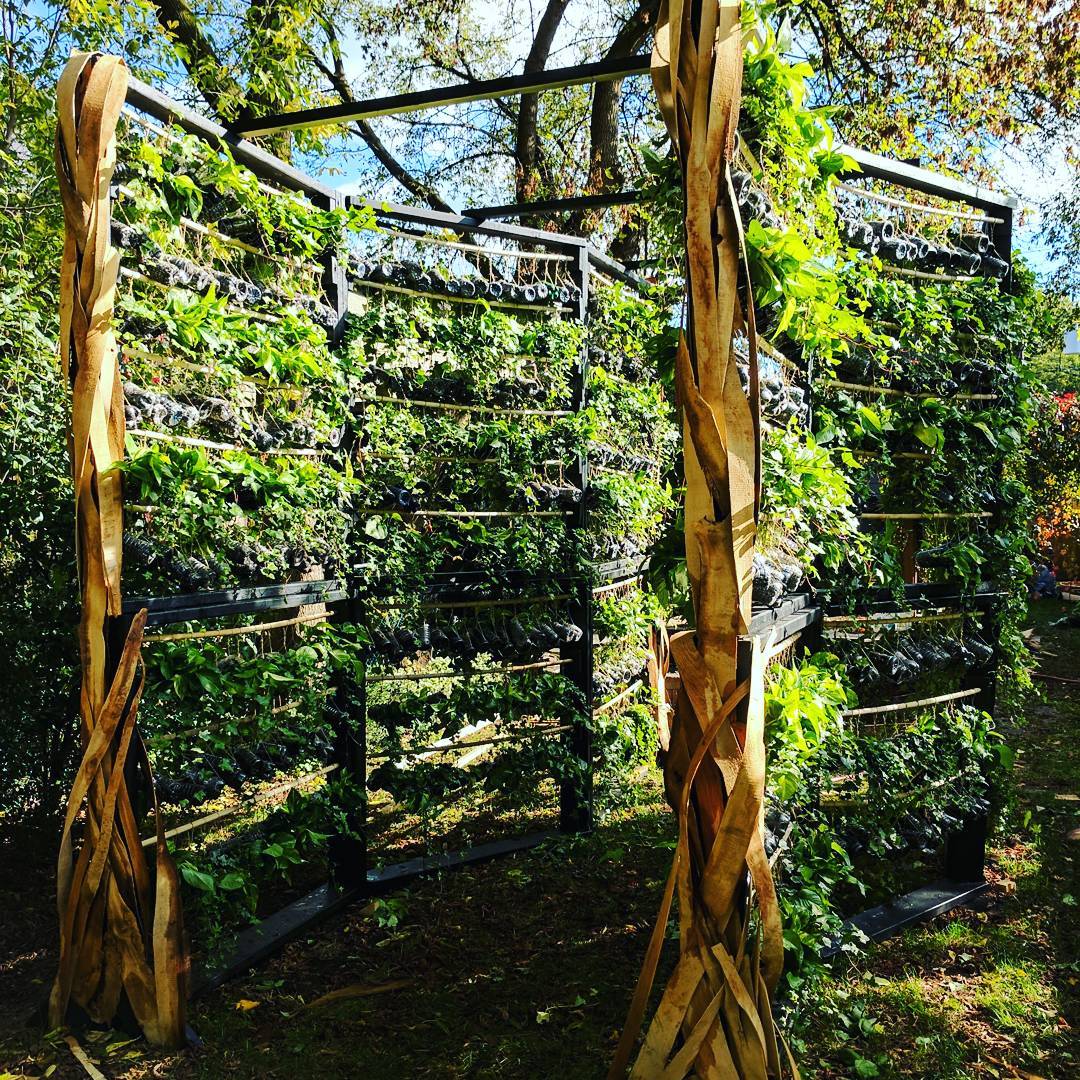
    Plastic Bottles Garden :)

    Plastic bottles garden :) www.pinterest.com
    Read More..